


Last updated on April 23rd, 2026 at 03:58 pm
Why Protecting Your Pneumatic Lines is Non-Negotiable
Pneumatic tubing protection refers to products and methods designed to shield pneumatic hoses, cables, and tubing from damage caused by abrasion, impact, chemicals, extreme temperatures, and environmental hazards. The primary types include:
- Spiral Wraps – Flexible, easy-to-install wraps that bundle and protect multiple lines while allowing breakouts
- Protective Sleeves – Textile or nylon sleeves that provide full coverage and can contain high-pressure bursts
- Protective Conduits – Rigid or semi-rigid enclosed channels that offer heavy-duty protection from external elements
The life of pneumatic tubing is not an easy one. Abrasion, impact, heat, and pressure can lead to hose bursts and leaks. The mess and downtime are the least of your problems—the danger to operators in close proximity can result in severe burns, slips and falls, and worse.
Hydraulic hose life can be shortened by abrasion, age, heat, hardening, and pressure. When hoses fail, you face significant downtime, repair costs, and potential safety hazards. That’s why proper protection isn’t optional—it’s essential for system reliability and workplace safety.
Whether you’re managing a complex industrial automation system, maintaining construction equipment, or operating a hospital pneumatic tube network, understanding how to protect your pneumatic lines will save you money and prevent dangerous failures.
This guide walks you through everything you need to know: the main types of protection available, how to choose the right solution for your specific environment, and the key factors to consider when selecting materials and products.
The Primary Functions of Protective Solutions
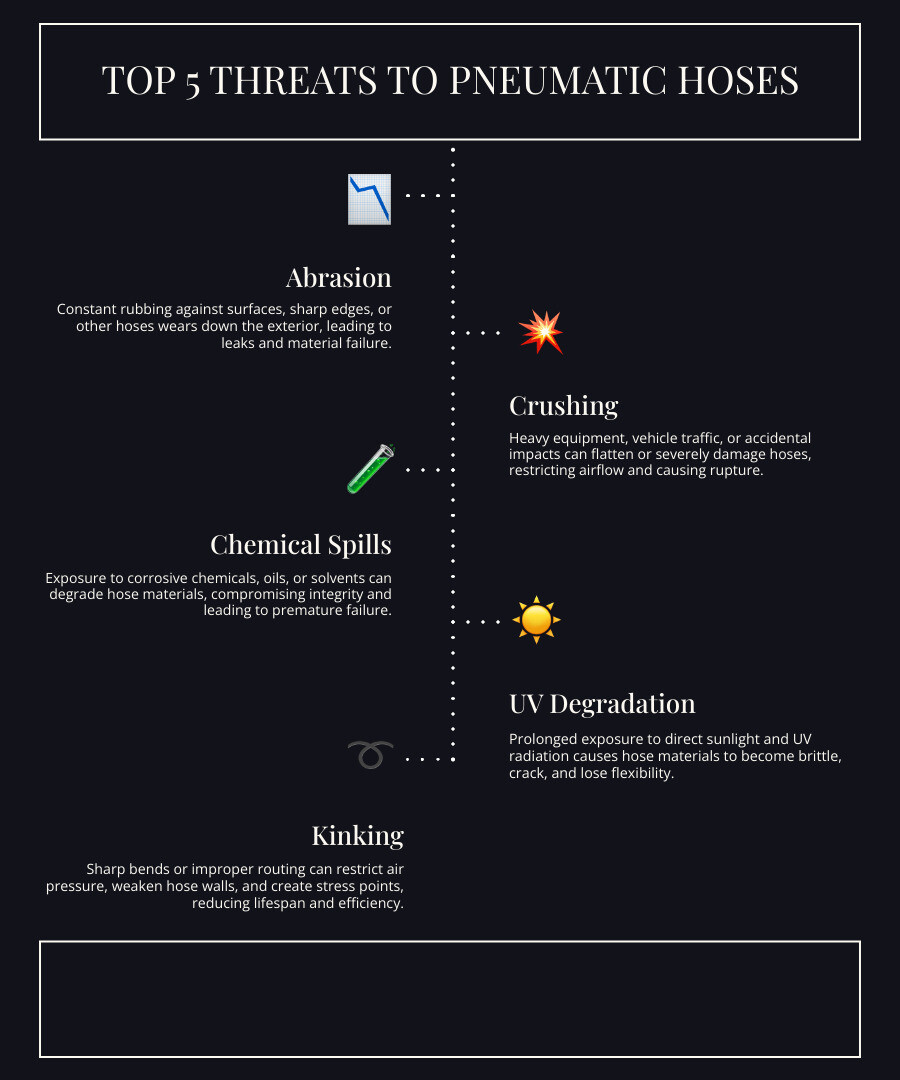
When we talk about protecting pneumatic tubing protection and electrical cables, we’re not just adding an extra layer; we’re investing in the longevity, efficiency, and safety of an entire system. The primary functions of these protective solutions are multifaceted, addressing various vulnerabilities inherent in industrial and medical environments.
First and foremost, protective conduits, sleeves, and wraps serve as a robust defense against abrasion and impact damage. In busy industrial settings, hoses and cables are constantly exposed to rubbing against sharp edges, heavy machinery, or even other components. Without protection, this constant friction quickly wears down the outer layers, compromising the integrity of the lines. A sturdy protective layer absorbs these impacts and prevents the tubing itself from being damaged.
Beyond physical wear and tear, these protective solutions significantly extend the lifespan of hoses and cables. By shielding them from environmental stressors like UV radiation, extreme temperatures, and chemical splashes, they prevent premature degradation. This means fewer replacements, reduced maintenance costs, and less frequent equipment downtime—a win-win for any operation.
Another critical function, especially for high-pressure systems, is preventing leaks and bursts. While the primary tubing carries the fluid or air, a protective sleeve, particularly those designed for burst containment, can act as a secondary barrier. In the event of a hose failure, it can contain the contents, preventing dangerous sprays of fluid, minimizing environmental contamination, and, most importantly, safeguarding personnel from severe injuries. This contributes directly to enhancing workplace safety.
For electrical cables and pneumatic tubing that run alongside each other or in complex arrangements, protective solutions also excel in cable management. They allow for neat bundling, preventing tangles, snags, and accidental disconnections. This not only makes maintenance easier but also reduces the risk of tripping hazards and improves the overall aesthetic and organization of equipment. When cables and hoses are neatly managed, it’s easier to identify and troubleshoot issues, further contributing to system reliability. For more information on the benefits of organized cabling, consider these 4 Reasons to Organize and Manage Cables.
Protective solutions transform vulnerable, exposed lines into resilient components, ensuring that your pneumatic and electrical systems operate smoothly, safely, and cost-effectively for years to come.
Understanding the Core Types of Pneumatic Tubing Protection
Choosing the right pneumatic tubing protection can feel like picking the perfect superhero for a specific mission – each has unique strengths and weaknesses. This section will compare the most common methods for safeguarding hoses and cables, helping you choose the best fit for your needs.

Spiral Wraps: The Versatile and Flexible Choice
Spiral wraps are a popular and incredibly versatile choice for protecting pneumatic and hydraulic hoses. Their design, characterized by a continuous coil that wraps around a bundle of lines, offers several distinct advantages.
One of their most appealing features is easy installation. Unlike some other protection methods that require disconnecting hoses, spiral wraps can often be applied to existing bundles without any downtime. This makes them ideal for retrofitting or quick repairs.
They excel at bundling multiple lines together, organizing what would otherwise be a chaotic tangle of hoses and cables into a neat, manageable bundle. This not only improves aesthetics but also prevents chafing between individual lines, a common cause of wear. The open spiral design also allows for convenient breakouts, where individual hoses can exit the main bundle at any point along its length, offering flexibility in routing.
The primary function of spiral wraps is robust abrasion protection. Made from durable materials, they shield the underlying hoses from rubbing against surfaces, other equipment, or even each other. This significantly extends the service life of the pneumatic tubing. M.M. Newman Corporation’s Heli-Tube® spiral wrap, for example, is specifically designed for organizing and protecting wires, hoses, and cables, leveraging its extensive experience as a trusted, world-leading supplier since 1956. For more on their benefits, explore Spiral Wrap Tubing Benefits and Applications. The “How Spiral Wrap is Used for Abrasion Protection” resource further highlights its effectiveness in preventing wear and tear.
Spiral wraps come in various material options, including High-Density Polyethylene (HDPE) and Nylon, allowing for selection based on the specific environmental challenges. Some are even available in pre-cut lengths for convenience or continuous rolls for custom applications. The advantages of using spiral wrap protectors for hydraulic and pneumatic hoses are clear: they provide excellent abrasion resistance, bundle lines efficiently, and contribute to the overall longevity and reliability of the system by preventing premature wear.
Protective Sleeves: For Bundling and Burst Containment
Protective sleeves offer a different approach to hose protection, often providing more comprehensive coverage and specialized capabilities. These typically come in textile or nylon sleeves, woven or braided materials that fully enclose the hose or cable bundle.
A key distinction of protective sleeves, particularly those used for hydraulic applications but with principles applicable to pneumatic systems, is their dual role: they protect the hose, and they protect people. While they offer excellent abrasion and UV resistance, many sleeves are engineered to contain high-pressure bursts and leaks. This is crucial in environments where hoses operate under significant pressure and are in close proximity to workers, as a burst can release fluids or air at dangerous velocities. A key safety feature of these sleeves is their ability to protect people by containing the contents of bursts and leaks.
Beyond burst protection, specialized sleeves can offer fire resistance, using materials like silicone rubber which is resistant to flammability and can withstand high temperatures, even shedding liquid metal in extreme environments. Other sleeves provide chemical resistance, shielding hoses from corrosive substances that could otherwise degrade the tubing material.
These protective sleeves contribute significantly to personnel safety by acting as a barrier against potential hazards. They also help in efficient bundling, keeping multiple lines organized and protected within a single sheath. While some sleeves may require disconnection of hoses for installation, others feature hook-and-loop closures for easier application and frequent access. Understanding the various flexible tubing materials available can help in selecting the most appropriate sleeve for your needs; you can learn more about these in Popular Flexible Tubing Materials.
Protective Conduits: The Robust, Enclosed Option
When the environment calls for maximum protection, protective conduits step up to the plate. These are typically rigid or semi-rigid enclosed channels designed to completely encase pneumatic tubing and electrical cables, offering the most robust defense against external elements.
Flexible protective conduits are used to protect pneumatic tubing and electrical cables on machines and equipment. They provide a high level of heavy-duty protection from crushing, severe impact, and a wide range of environmental factors. Imagine tubing running through an area with falling debris or heavy foot traffic – a conduit provides an impenetrable shield.
The primary benefit of conduits is their total enclosure from elements. This means complete protection from dust, dirt, moisture, chemicals, and even rodents that might otherwise damage exposed lines. This makes them ideal for harsh industrial environments, outdoor installations, or any application where the integrity of the tubing cannot be compromised by external contaminants.
For optimum use, it is recommended to use the suitable fitting accessories for protective conduits, ensuring a secure and sealed system. These fittings help maintain the integrity of the enclosure, especially at connection points or where conduits change direction. They are commonly used for the protection on machines and equipment, where they safeguard critical pneumatic and electrical lines, ensuring uninterrupted operation and system reliability.
While the term “pneumatic tube” might also refer to systems for transporting items (like those found in hospitals, as discussed in More on pneumatic transport systems), in the context of tubing protection, conduits refer to the protective channels that house and shield the lines that carry the compressed air. This robust form of protection is invaluable for maintaining consistent performance and safety in demanding conditions.
How to Choose the Right Hose Protector
Selecting the appropriate pneumatic tubing protection is not a one-size-fits-all endeavor. It’s a critical decision that directly impacts the performance, safety, and longevity of your pneumatic systems. Getting it right ensures that your investment pays off in reduced downtime and increased reliability.
Key Factors for Selecting Pneumatic Tubing Protection
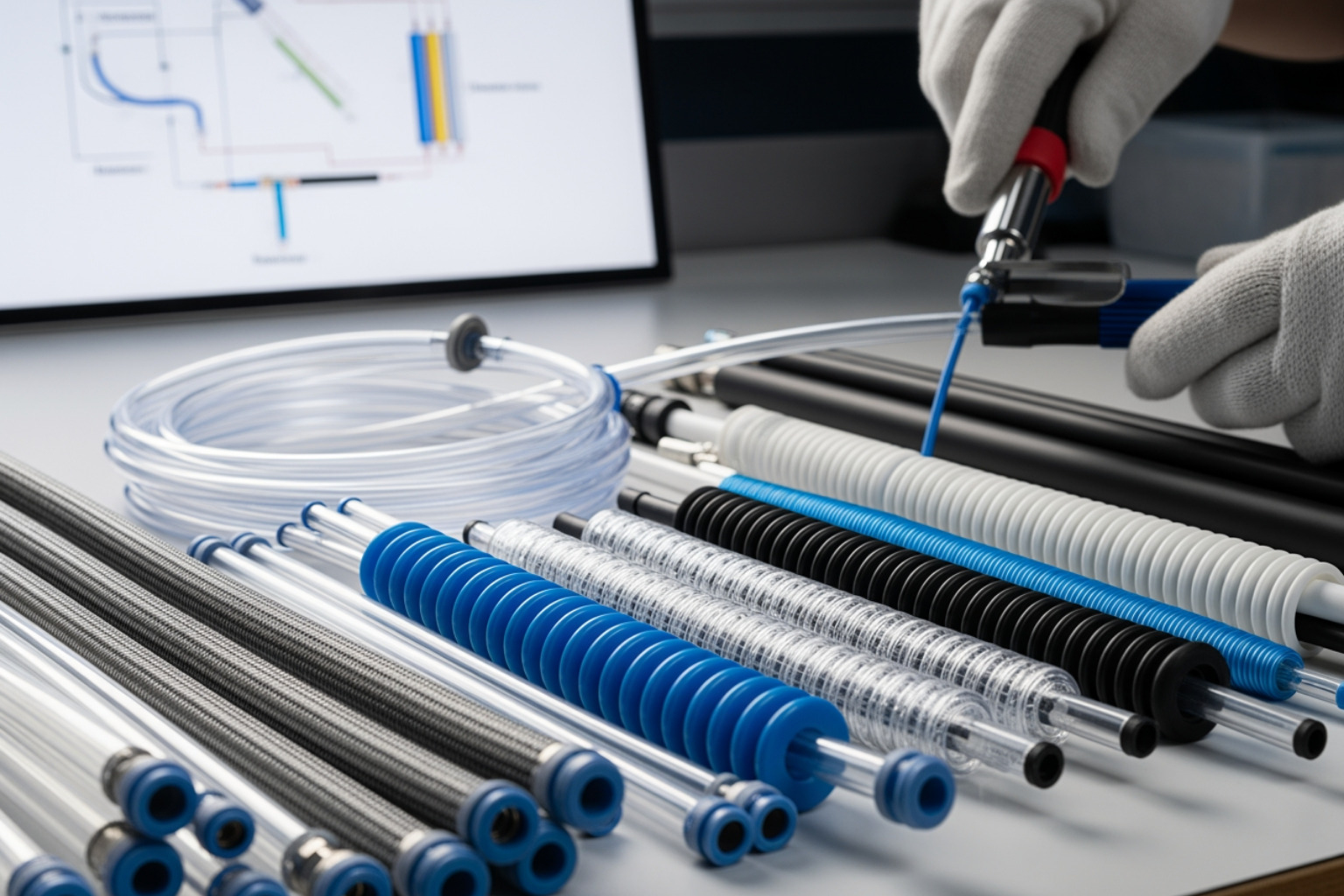
When faced with a myriad of options, focusing on key factors will help you narrow down the best protective solution for your specific application.
- Material Properties: This is perhaps the most crucial factor. Different materials offer varying levels of resistance to abrasion, chemicals, extreme temperatures, and UV exposure. For instance, Polyethylene (PE) is often cost-effective for general use, while Nylon provides higher durability and wear resistance. PTFE stands out for its exceptional resistance to extreme temperatures and chemicals. Consider the specific hazards your tubing will face. Will it be exposed to oils, solvents, or acids? Will it operate in freezing conditions or near heat sources? The right material will withstand these challenges without degrading. You can dig deeper into material selection with Choosing the Right Tubing for Your Application and The Right Spiral Wrap Material for Your Application.
- Sizing and Diameter: A protector is only effective if it fits correctly. For spiral wraps, you need to consider the outer diameter (OD) of the entire bundle of hoses or cables you intend to protect. The wrap should have a sufficient range to comfortably encase the bundle. For sleeves or conduits, the inner diameter (ID) is paramount; it must be large enough to slide over the hose and any existing fittings without being too loose, which could lead to ineffective protection or slippage.
- Operating Environment: Is your system indoors or outdoors? A protector for an outdoor application will need to be UV resistant to prevent material breakdown from sun exposure. Is the environment particularly dirty or dusty? A fully enclosed conduit might be better than an open spiral wrap. Are there heavy objects that could crush the tubing? Robust conduits or heavy-duty spiral wraps are necessary.
- Temperature Range: Every material has a specific temperature range within which it performs optimally. Ensure the chosen protector’s temperature rating matches or exceeds the maximum and minimum temperatures of your operating environment.
- Chemical Compatibility: If your pneumatic system is exposed to specific chemicals, cleaners, or fluids, the protective material must be chemically compatible to prevent degradation, embrittlement, or softening over time.
- Durability: Look for products that are known for their toughness and longevity. High-quality hose protection products, for example, are often characterized as being lightweight, tough, and highly flexible, designed to prevent hose wear and protect from harsh forces. These characteristics are universal indicators of quality in hose protection.
By carefully evaluating these factors, you can make an informed decision that will safeguard your pneumatic tubing, improve system reliability, and reduce the likelihood of costly and dangerous failures.
Comparing Common Hose Protection Materials
| Material | Temperature Range | Flexibility | Abrasion Resistance | Key Benefit |
|---|---|---|---|---|
| Polyethylene (PE) | -60°C to +80°C | High | Good | Cost-effective, general use |
| Nylon | -60°C to +110°C | Medium | Excellent | High durability and wear resistance |
| PTFE | -65°C to +250°C | High | Excellent | Extreme temperature and chemical resistance |
| Fire-Resistant PE | -30°C to +100°C | High | Good | Self-extinguishing properties |
Installation and Maintenance Considerations
Choosing the right protector is half the battle; proper installation and thoughtful maintenance complete the picture for effective pneumatic tubing protection. Consider how the protection will be applied and what future access might be needed.
For instance, pre-cut lengths vs. continuous rolls offer different benefits. Pre-cut options can simplify installation, saving time and effort, especially for standardized applications. Continuous rolls, on the other hand, provide flexibility for custom lengths and larger projects, reducing waste.
The ease of access for repairs is another crucial point. Some protective solutions, like spiral wraps or zipper tubing, are designed to be easily opened or removed, allowing technicians quick access to individual lines for inspection, repair, or replacement without disturbing the entire bundle. Zipper tubing, in particular, allows for quick addition or removal of internal components without needing to disconnect cabling, offering valuable flexibility. This ease of access can significantly reduce downtime when maintenance is required.
Retrofitting on existing systems is a common scenario where certain protection types shine. Spiral wraps, for example, can be wound onto already installed hoses, making them an excellent choice when you can’t disconnect lines. Sleeves with hook-and-loop closures also offer this advantage.
Finally, integrating hose protection into your regular maintenance schedule can prevent small issues from becoming major problems. Regular inspection of the protective layers themselves can identify wear before it reaches the underlying tubing. By following best practices for installation and maintenance, you can maximize the benefits of your chosen pneumatic tubing protection and ensure the long-term reliability of your systems. For practical guidance, refer to How to Use Spiral Wrapping Bands for Cable Management and learn how to Avoid Downtime with Spiral Cable Wrap.
Common Applications in Industrial and Medical Settings
The need for reliable pneumatic tubing protection spans across nearly every industry, from heavy manufacturing to critical healthcare. Each environment presents unique challenges that necessitate custom protective solutions, ensuring both operational efficiency and safety.
Industrial and Automotive Use Cases
In industrial and automotive sectors, pneumatic tubing and electrical cables are the lifelines of machinery. They operate in demanding conditions, facing constant movement, high temperatures, abrasive surfaces, and exposure to various contaminants.
- Robotics and Automation: In automated production lines, robots move rapidly and repeatedly. Their pneumatic lines and control cables are subject to continuous flexing, bending, and potential abrasion against moving parts or the robot’s own structure. Flexible spiral wraps and heavy-duty sleeves are essential here to prevent wear and maintain uninterrupted operation.
- Construction Equipment: Heavy machinery like excavators, loaders, and cranes rely on pneumatic systems for various functions. These hoses are exposed to extreme weather, rough terrain, sharp debris, and intense vibration. Robust spiral guards and highly durable sleeves are crucial to protect against cuts, crushing, and environmental degradation, extending the life of critical components like those found in Heli Tube for the Marine Industry.
- Mining Machinery: The mining environment is notoriously harsh, characterized by abrasive dust, corrosive chemicals, and heavy impacts. Pneumatic lines on drilling rigs and other mining equipment require the toughest protection, often MSHA-approved sleeves designed to withstand severe conditions and contain high-pressure bursts for personnel safety.
- Agricultural Equipment: Tractors, harvesters, and other farm machinery operate in fields where they encounter dirt, moisture, UV radiation, and mechanical stress. Hose protection helps prevent damage from plant matter, rocks, and the elements, ensuring reliable performance during critical farming seasons.
- Automotive Wire Harnesses: In vehicles, pneumatic lines (e.g., for air brakes or suspension) and electrical wiring are bundled together and routed through tight spaces, exposed to engine heat, vibrations, and road debris. Spiral wraps and protective conduits are used to organize these harnesses, prevent chafing, and shield them from the harsh under-hood and under-chassis environments.
Specialized Pneumatic Tubing Protection in Medical Settings
Medical environments, particularly hospitals, present a different set of challenges for pneumatic systems, focusing heavily on sterility, integrity, and safety.
- Hospital Pneumatic Tube Systems: Hospitals frequently use pneumatic tube systems for rapid transport of lab samples, blood specimens, medicines, and IV containers between departments. While the tubes themselves are robust, the items being transported within them need protection from impact during transit.
- Protecting Lab Samples: Fragile lab samples and blood specimens must arrive at their destination intact. Foam liners and inserts are critical here. These liners, available in conventional foam or memory foam, are placed inside hospital carriers to reduce breakage.
- Foam Liners and Inserts: These products are explicitly designed to protect contents within pneumatic tube systems. They are compatible with both 4″ and 6″ carriers and provide impact protection.
- Impact Reduction for IV Containers: The statistics highlight the significant benefit of specialized foam. Memory foam inserts, for example, are remarkably effective, reducing impact by at least 63-fold on 1000 ml IV containers and at least 25-fold on 250 ml IV containers. The superior impact absorption of memory foam liners compared to conventional foam liners is vital for preventing damage to critical medical supplies.
- Leak Protection: Beyond impact, foam liners provide an essential layer of protection against leaks when transporting liquids. This prevents contamination within the pneumatic tube system and ensures the integrity of the transported medical fluids.
- Memory Foam Benefits: The unique properties of memory foam allow it to conform to the shape of the item, absorbing and dispersing impact energy far more effectively than conventional foams. This makes it an invaluable asset in safeguarding sensitive and critical medical supplies during high-speed transport.
In these diverse applications, the common thread is the need for reliable pneumatic tubing protection to ensure system performance, prevent costly failures, and uphold safety standards. For laboratory environments, even wiring can benefit from similar protective principles, as seen in PTFE Spiral Wrap Bundles and Protects Wiring in Laboratory Environments.
Frequently Asked Questions about Pneumatic Tubing Protection
What is the main difference between a protective sleeve and a spiral wrap?
A protective sleeve typically offers full coverage and is excellent for bundling and burst containment, but it must be installed before the hose is connected. This often means disconnecting the hose to slide the sleeve over it. A spiral wrap, on the other hand, can be applied to existing bundles without disconnection, allows for easy breakouts of individual hoses at any point, and provides excellent abrasion resistance. Sleeves prioritize comprehensive enclosure and often personnel safety by containing bursts, while spiral wraps offer flexibility, ease of retrofitting, and robust abrasion protection for the hose itself. To understand more about why these wraps are used, check out What is the Purpose of Spiral Cable Wrap?.
How do I measure my hoses to get the right size protector?
For spiral wrap, you should measure the outer diameter (OD) of the entire bundle of hoses you want to cover. The wrap’s range should accommodate this bundle size, allowing for a snug but not overly tight fit to maintain flexibility. If you plan for individual hoses to “break out” from the bundle at different points, ensure the spiral wrap’s design allows for this. For sleeves or conduits, you need to ensure the sleeve’s inner diameter (ID) is large enough to slide over the hose and its fittings. Always account for the largest fitting or connector if the sleeve needs to pass over it during installation. For more details on sizing and materials, refer to Spiral Cable Wrap Sizes and Materials.
Can these protectors be used for hydraulic hoses too?
Yes, many of the same principles and products, especially heavy-duty spiral wraps and burst-resistant sleeves, are designed for the demanding conditions of both hydraulic and pneumatic systems. While pneumatic systems typically involve lower pressures than hydraulics, the need for abrasion resistance, impact protection, and environmental shielding remains critical for both. The key is to match the material and type to the specific pressure, temperature, and environmental hazards of your application. For example, a PTFE spiral wrap can prevent chafing in both hydraulic and pneumatic applications. Read more about this in PTFE Spiral Wrap Prevents Chafing.
Conclusion: Ensure System Longevity with the Right Protection
Investing in the correct pneumatic tubing protection is a small price to pay to prevent costly downtime, improve operator safety, and extend the life of your critical components. By evaluating your environment and choosing the right material and type of protection—be it a versatile spiral wrap, a robust sleeve, or a rigid conduit—you ensure your pneumatic systems run reliably for years to come. For a proven, versatile, and easy-to-install solution, M.M. Newman Corporation’s Heli-Tube® spiral wrap has been the trusted choice for organizing and protecting wires, hoses, and cables since 1956. Explore our extensive range of Heli-Tube® Spiral Wrap to find the perfect fit for your application.