

Last updated on September 9th, 2025 at 04:22 pm
Wood burning, also known as pyrography, is an ancient art form that involves decorating wood with burn marks resulting from the controlled application of a heated object. Whether you’re a seasoned artist or a beginner, understanding the various wood burning tips and their uses is crucial for achieving desired effects and enhancing your craft.
At M.M. Newman Corporation, we provide a range of high-quality wood burning tools and accessories to help you achieve precision and creativity in your pyrography projects. Our products are designed to meet the needs of both hobbyists and professionals, ensuring durability and performance.
The History of Wood Burning
The art of wood burning has been around since ancient times. It was known to the Han dynasty in China as fire needle embroidery, to the Moche and Nazca civilizations in Peru and during the Middle Ages in Europe. The turn of the 20th century brought a new method for wood burning, which used benzene that was pumped through a heated and hollow pen. This new development allowed artists to use the pyrography pen for shading while later in the century, electric wood burning pens came into use.
Also known as pokerwork or pyrography, which means “writing with fire” in Greek, wood burning is a free-handed art form that uses a heated object to burn designs into wood. Different wood burning tips, varying temperatures, and how the iron touches the material create a variety of effects. Wood burning typically utilizes lighter colored hardwoods like beech, birch and sycamore, though oak, maple and pine can also be used. Using the same techniques, pyrography can also be used to make designs on leather and is even popular with crafters who decorate gourds.
Pyrography Kit: Tools and Supplies for Wood Burning
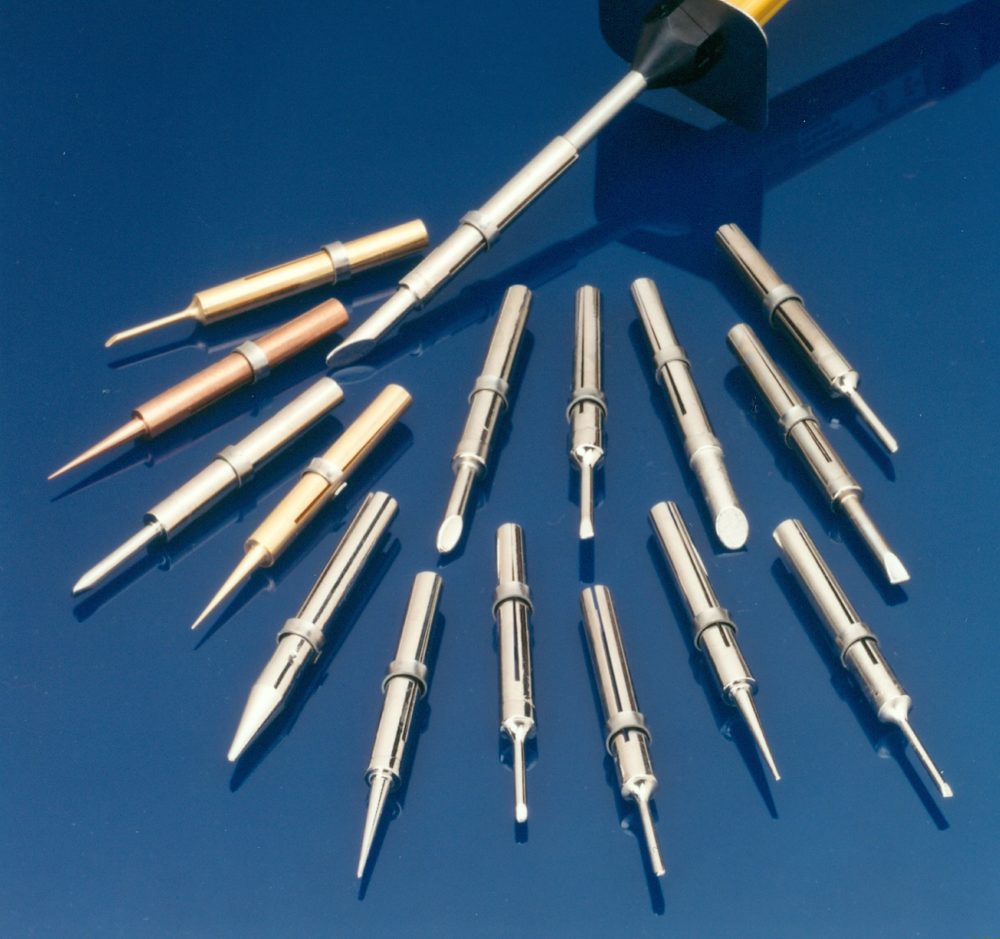
Getting started in pyrography doesn’t take much. In reality, only a wood burning pen and a tip are needed. There are many different types of wood burning tips, and they differ depending on the desired style and design. Some tips are very basic and just heat up, while others have variable heat control, knife blades and added features for specific uses. The following are basic items that are often included in modern pyrography kits:
- Carbon paper can be used to easily mark the design to the wood by taping the design to the paper, and then the carbon paper to the wood.
- Pliers with handles wrapped in electrical tape make it easier and safer to change tips on the pen.
- Tape is used to secure the design to the wood.
- Sandpaper used to prepare the wood prior to burning it.
- Wet paper towels can be used to clean residue from the tips.
Along with these basic items, a wood cutting kit can include a variety of specialty tips, a stand for keeping tools and a precision temperature controller.
Common Wood Burning Tips and Their Uses
Each type of wood burning tip is specialized and creates specific markings, from precise lines to featherlike patterns. Some of the more common wood burning tips and their uses include:
- Button tips have edges at right angles to the shaft of the tip, making it easier to work at a 90-degree angle. It can be used for drawing beaks or necks on birds.
- Circle tips are hollowed out so that they can burn circular outlines with their edges, and come in different sizes.
- Knife blade tips feature a double-edged blade that can cut and melt material to leave a beaded edge. It also works well with synthetic materials, such as fabrics, mesh and rubber.
- Multi-groove tips allow for the burning of feathers and veins onto duck or other bird decoys.
- Needle soldering tips burn holes in the material, along with making intricately detailed drawings with lines and dots. It uses a sharp needle like tip, thus its name.
- Round tips are used to make completely blackened circles rather than outlined ones and come in various sizes,
- Standard tips are used to make straight lines. They’re also used to burn feather veins onto decoys as well as for writing names, curving lines and other simple designs.
As can be seen from their descriptions above, one of the major applications for these wood burning tips involves burning fine lines on duck and other bird decoys.
Other Wood Burning Tools, Tips and Their Uses
While the above tips are typically used for general decoration, the following specialized tools along with descriptions of their wood burning tips and their uses are listed below.
Lacquer Burn-In Knife
Used for repairing wood finishes, these lacquer knives are used for melting lacquer sticks into scratched wood finishes to smooth them out. Its features include:
- Multiple lacquer colors are available that can be customized into exact shades.
- Heats quickly.
- Repairs lacquered wood surfaces.
The variously sized tips look like flathead screwdrivers or spatulas.
Foil Transfer Tool
A foil transfer tool blends heat with light pressure to transfer lettering from foils onto cloth, leather, paper, vinyl and other materials. It can easily make permanent messages in a variety of colors. Its features include:
- Greater control when burning letters.
- Easily makes permanent markings.
- Heats quickly.
The foil transfer tool utilizes both broad and fine tips.
Stencil Maker
Stencil makers leave a beaded edge that resists tearing. This virtually eliminates ruined knife blades and frayed stencils. Its features include:
- Handle keeps cool.
- Heats quickly.
- Requires little pressure to operate.
These tools feature distinct bent tips that can cleanly burn delicate grooves into a workpiece.
Heavy Duty Hot Knife
With a plethora of uses, heavy-duty hot knives can cut and seal synthetics, including awnings, carpet, plastic sleeving and sailcloth. Its features include:
- Handle stays cool.
- Heats quickly.
- Leaves beaded edge.
Hot knife tips slide directly over the heating element, and when they get dull can be sharpened.
Hot Tacking Tool
Hot tacking tools offer greater control and are used to position artwork or photos prior to going into a heat press. Its features include:
- Allows for easy tacking of artwork or photographs.
- Handle remains cool.
- Heats quickly.
This tool’s tip looks like a curved, smooth blade that’s coated with a non-stick substance.
Archival Tape Remover
An archival tape remover is often used by archivists to soften tape or labeling when restoring old books. Its features include:
- Fits multiple size tips.
- Heats quickly.
- Removes tape, labels and other sticky substances from paper.
The tape remover’s sharpened tip looks like a spatula and is designed to get under tape or labeling to remove it.
Why Choose Our Wood Burning Tools?
At M.M. Newman Corporation, we are committed to providing high-quality tools and accessories to enhance your wood burning experience. Our products are designed for durability, precision, and ease of use, ensuring that you can achieve the best results in your pyrography projects.
Explore our range of hot tools and accessories to find the perfect fit for your needs.
Enhance Your Wood Burning Projects with M.M. Newman Corporation
Mastering wood burning requires the right tools, techniques, and knowledge. By understanding the various wood burning tips and their uses, you can enhance your skills and create stunning projects. M.M. Newman Corporation is here to support your journey with high-quality products designed for precision and performance.
Ready to take your wood burning to the next level? Contact us today for more information!
Frequently Asked Questions
How do I prevent my wood burning tips from overheating?
Use an adjustable temperature wood burner and allow the tips to cool between uses. Regularly clean the tips to maintain optimal performance.
Can I use wood burning techniques on materials other than wood?
Yes, wood burning can be applied to materials like leather and gourds. Ensure that the material is suitable for pyrography and adjust the temperature accordingly.
Are there safety precautions I should take when wood burning?
Always work in a well-ventilated area, wear protective gear, and keep flammable materials away from your workspace. Follow the manufacturer’s instructions for your wood burning tools.