

Last updated on January 28th, 2026 at 12:03 pm
Countless types of tools are used in the making of artwork and crafts. These can include scissors, paintbrushes, easels, foam brushes, craft knives, and more, depending on the craft or artwork being made. Some types of artistry or crafting require very specific tools. Sewing and other textile crafts use tools like needles, thimbles, and measuring tape. Calligraphy and other paper crafts use tools such as calligraphy pens, embossing tools, and mats. For decorative crafts like stenciling, fashion crafts like leatherworking, and even functional craftwork where items are used in day-to-day life, hot tools are often used.
Hot Tools for Arts & Crafts
Artists and crafters who work with hot tools often have preferences for the tools they use to create their work. The type of tool also differs depending on the type of artwork or craft being produced. Let’s look at several of the more popular hot tools, along with how they’re used when creating works of art and crafts.
Archival Tape Removal Tool
Tape has been used increasingly since the mid-1800s to mount, hang, and mend a range of items, including books, framed paintings, and other artwork. During the 1970s, librarians, art collectors, and others concerned with the conservation of older books and paintings looked for a way to protect the items in their care.
Archivists began to examine the effects certain types of tape had on these items over time, including the tape’s stability and how easily it could be removed. Newer tapes were thus developed to protect books and artwork, which could be removed with either water or heat. For those tapes that require heat to remove adhesive, an archival tape removal tool was developed.
These archival tape removal tools can:
- Clean old books and paper-based archives.
- Detach labels or tape from paper.
- Soften the adhesive from the tape when heated.
Some of the more innovatively designed archival tape removal tools even include spatula-shaped tips to get under tape or labels, so they can be removed without damaging the item.
Foil Transfer Tool
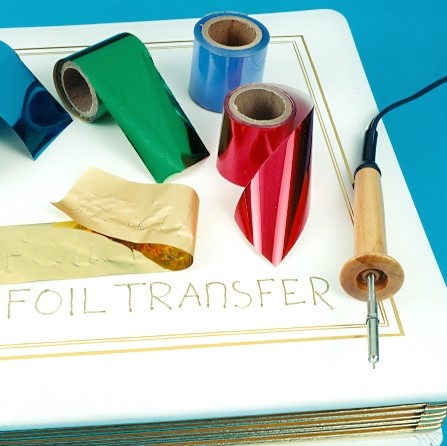
By combining heat with light pressure, foil transfer tools allow crafters to transfer lettering from transfer foil onto cloth, leather, paper, vinyl, and other materials. It allows crafters to create decorative, lasting lettering. They are used for a number of purposes.
Foil transfer tools can be used to create custom:
- Business cards
- Décor for parties
- Decorative place mats
- Cards for holidays and special occasions
- Wall art
- Wedding and other invitations
Using heat, the foil sticks to the toner, leaving a decorative impression on the surface. Different foil colors allow crafters to create lettering and designs in gold, silver, green, blue, red, and more.
Heavy-Duty Hot Knife
Hot knives use electricity to heat a blade that can be used for cutting, shaping, and sealing all manner of synthetic material without causing the edges to fray or split. A heavy-duty hot knife cuts without leaving edges, unlike scissors, razor blades or other cutting implements. These frayed edges will eventually unravel, making a piece of craftwork look worn. It works by melting polymer filaments within synthetic fabrics and other materials with very precise control, fusing loose ends to create a beaded edge.
Common heavy-duty hot knife uses include:
- Cutting rubber and fabrics
- Designing upholstery
- Removing adhesives
- Removing rubber coatings
- Sealing fabric material
- Stripping wires
Though they have hundreds of uses, including for industrial and commercial applications, a heavy-duty hot knife also helps artists and crafters achieve an attractive, smooth, and beaded edging in their craft or art pieces. Hot knives can be found almost anywhere that sells items for art, craft,s or hobbies.
Hot Tacking Tool
A hot tacking tool’s various tips make it ideal for many applications, including applying adhesives to or detaching them from surfaces. They can be used to spot tack artwork or photos into position before placing them in a heat press. Archivists also use hot-tacking tools for detailed tacking in their conservation efforts.
Lacquer Burn-In Knife
Used primarily to restore and repair wood items, a lacquer burn-in knife uses lacquer sticks – sometimes called wax sticks – to fill gouges or scratches in wood finishes. A lacquer burn-in knife can help restore old or damaged wooden furniture, wood flooring, and other functional craftwork made from wood into a usable condition.
By melting and then smoothing lacquer burn-in sticks into the grooves or dents that require filling, a lacquer burn-in knife will melt the coating until it attains a creamy texture. These burn-in sticks should match the grain color for deeper depressions in wooden surfaces, while smaller dents can use transparent burn-in sticks. Different colors of lacquer sticks can even be mixed together to create a variety of shades
Stencil Maker
Stencils are essentially templates cut out and used to color letters, shapes, or designs onto surfaces. Stencil makers create these templates, which can even be used to transfer images onto skin during the tattooing process. Using a stencil maker, business owners can also make their own custom signage to add logos or business names to just about any surface.
Woodburning Tool
These tools are used to burn designs into surfaces, an art form often referred to as pyrography. For this reason, woodburning tools are often called pyrography pens, as they resemble large pens. Using a heated tip, the tool leaves distinct burn marks on a wooden surface. They can also create designs on other surfaces.
Besides wood, woodburning tools can be used on surfaces that include:
- Gourds
- Leather
- Thick paper structures
- Tree bark
Woodburning tools sold commercially often come in kits with various specialty tips that let artists and crafters draw broader or thinner lines, creating more intricate designs.
Why Choose M. M. Newman Corporation?
When selecting hot tools for arts, crafts, or conservation work, experience and quality matter. M. M. Newman Corporation has built a reputation for delivering dependable tools and expert support across a wide range of industries.
- Industry Expertise: With decades of experience, we understand the technical requirements behind creative, archival, and industrial applications.
- High-Quality Tools: Our hot tools are built for precision, durability, and consistent performance.
- Versatile Applications: From fine art and conservation to upholstery and fabrication, our tools support both delicate and demanding tasks.
- Customer-Focused Support: Our team works closely with customers to recommend the right tool for each specific use case.
Precision, Reliability, and Performance for Creative Professionals
Hot tools play a vital role in both artistic expression and functional craftsmanship, offering the precision and control that traditional tools simply cannot achieve. From archival tape removal and foil transfer to woodburning and heavy-duty cutting, these tools enable artists, conservators, and makers to work more efficiently and achieve cleaner, longer-lasting results. Choosing the right hot tool not only protects delicate materials but also elevates the quality and durability of finished work.
At M. M. Newman Corporation, we understand that professionals and serious crafters demand tools they can trust—tools that perform consistently, withstand repeated use, and support both creative and technical applications. Whether you’re preserving historical documents, restoring wood finishes, or creating custom designs, our hot tools are engineered to deliver dependable results.
Ready to find the right hot tool for your application? To learn more about M. M. Newman Corporation’s hot tools for creating arts and crafts, or for more information about other potential applications, please contact us today.
Frequently Asked Questions
What types of users benefit most from hot tools?
Hot tools are commonly used by artists, crafters, conservators, upholsterers, woodworkers, and industrial professionals who require clean cuts, precise heat application, or material restoration.
Are hot tools safe for delicate materials like paper or fabric?
Yes, when used correctly. Tools such as archival tape removal tools and hot tacking tools are specifically designed to work safely with delicate materials while minimizing damage.
Can one hot tool be used for multiple applications?
Many hot tools offer interchangeable tips or adjustable temperatures, allowing them to perform a range of tasks. However, specialized applications may benefit from purpose-built tools.
How do I choose the right hot tool for my project?
Selecting the right tool depends on the material, level of precision required, and frequency of use. The M. M. Newman Corporation team can help guide you to the best option based on your specific needs.